Ancient Grains Renaissance: Rediscovering Nutritional Treasures
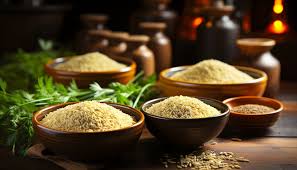
Ancient grains are experiencing a remarkable renaissance as modern consumers rediscover the nutritional and culinary benefits of these time-tested foods that sustained civilizations for thousands of years. Unlike modern wheat varieties that have been extensively hybridized and processed, ancient grains remain largely unchanged from their original forms, retaining higher levels of protein, fiber, vitamins, and minerals. These grains offer diverse flavors, textures, and nutritional profiles that can enhance both health and culinary experiences while supporting sustainable agriculture and food system diversity. Quinoa, though technically a seed rather than a grain, has become the poster child of the ancient grain movement due to its complete protein profile containing all essential amino acids. Originating in the Andes Mountains, quinoa provides more protein than most grains while being naturally gluten-free and rich in fiber, iron, magnesium, and phosphorus. Its nutty flavor and versatile texture make it suitable for everything from breakfast porridge to dinner salads, while its quick cooking time appeals to busy modern lifestyles. Amaranth, another pseudocereal from the Americas, offers exceptional nutritional density with high levels of protein, lysine (an amino acid often limited in grains), calcium, and iron. Aztec and Incan civilizations valued amaranth so highly that it was used in religious ceremonies alongside corn and beans. Today, amaranth can be popped like popcorn, ground into flour, or cooked as a creamy porridge with a slightly sweet, nutty flavor. Spelt, an ancient variety of wheat, contains higher levels of protein, fiber, and minerals than modern wheat while being easier to digest for some people with wheat sensitivities. Though not gluten-free, spelt's gluten structure differs from modern wheat, potentially making it more tolerable for those with non-celiac gluten sensitivity. Its rich, nutty flavor works well in bread, pasta, and baked goods. Teff, the tiny grain native to Ethiopia, packs impressive nutrition into its small size, providing complete protein, resistant starch, iron, and calcium. Ethiopian cuisine has relied on teff for injera bread for thousands of years, and its naturally gluten-free status makes it valuable for modern gluten-free baking. Teff's mild flavor and fine texture work well in both sweet and savory applications. Farro, popular in Italian cuisine, refers to several ancient wheat varieties including emmer, einkorn, and spelt. These grains offer chewy textures and nutty flavors that enhance salads, soups, and grain bowls. Farro provides more protein and fiber than modern wheat while containing beneficial compounds like lignans and phenolic acids. Buckwheat, despite its name, is not related to wheat and is naturally gluten-free. Rich in rutin, a flavonoid that supports cardiovascular health, buckwheat also provides complete protein and has a low glycemic index. Buckwheat flour creates distinctive flavors in pancakes and noodles, while whole buckwheat groats (kasha) offer hearty side dishes. Millet, a drought-resistant grain that feeds much of the world's population, provides protein, fiber, magnesium, and phosphorus while being naturally gluten-free. Its mild flavor and quick cooking time make it versatile for both sweet and savory dishes, from breakfast porridge to grain salads. The sustainability benefits of ancient grains include greater genetic diversity, improved soil health through crop rotation, and reduced dependence on chemical inputs compared to modern monoculture grain production.