Climate Change and Ecosystem Adaptation
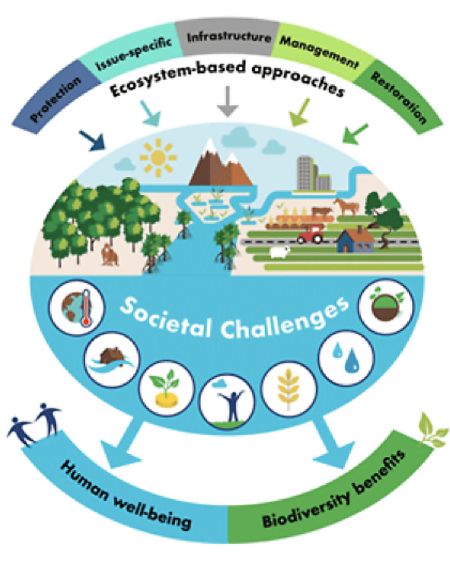
Climate change represents one of the most significant environmental challenges of our time, forcing ecosystems worldwide to adapt at unprecedented rates or face potential collapse. Rising global temperatures, altered precipitation patterns, and increased frequency of extreme weather events are reshaping natural habitats and species distributions across the planet. Understanding how ecosystems respond to these changes provides crucial insights into conservation strategies and future environmental management approaches. Temperature increases affect species in multiple ways, from altering breeding cycles and migration patterns to shifting the geographic ranges where species can survive. Many plants and animals are moving toward higher altitudes and latitudes in search of suitable climate conditions, creating new ecological communities while potentially leading to local extinctions in areas that become unsuitable. Arctic ecosystems face particularly dramatic changes as ice melts and tundra thaws, releasing stored carbon and fundamentally altering habitat structure for species like polar bears, seals, and arctic foxes. Marine ecosystems experience ocean acidification and warming waters that stress coral reefs, alter fish distributions, and disrupt food chains from phytoplankton to top predators. Coral bleaching events have become more frequent and severe, threatening some of the world's most biodiverse ecosystems. However, some marine species show remarkable adaptability, with certain fish populations shifting their ranges and some coral species developing heat tolerance. Forest ecosystems demonstrate varying responses to climate change, with some regions experiencing increased growth due to longer growing seasons and elevated CO2 levels, while others face increased wildfire risk, pest outbreaks, and drought stress. Boreal forests are expanding northward while temperate forests experience species composition changes as heat-tolerant species replace those adapted to cooler conditions. Wetland ecosystems serve as critical buffers against climate impacts, absorbing excess rainfall and storm surge while providing habitat for numerous species. However, rising sea levels threaten coastal wetlands, and altered precipitation patterns affect inland wetland water levels. Many wetland species show high adaptability, but habitat loss remains a significant concern. Grassland and prairie ecosystems may benefit from increased CO2 levels and longer growing seasons in some regions, but face challenges from altered precipitation patterns and increased fire frequency. These ecosystems often show remarkable resilience due to deep root systems and adaptation to natural disturbances. Conservation strategies increasingly focus on enhancing ecosystem resilience through habitat connectivity, reducing additional stressors like pollution and fragmentation, and protecting climate refugia where species can persist during unfavorable conditions. Assisted migration programs help species colonize new suitable habitats, while habitat restoration focuses on creating resilient ecosystems that can withstand climate variability.