Functional Foods: Eating for Optimal Health and Disease Prevention
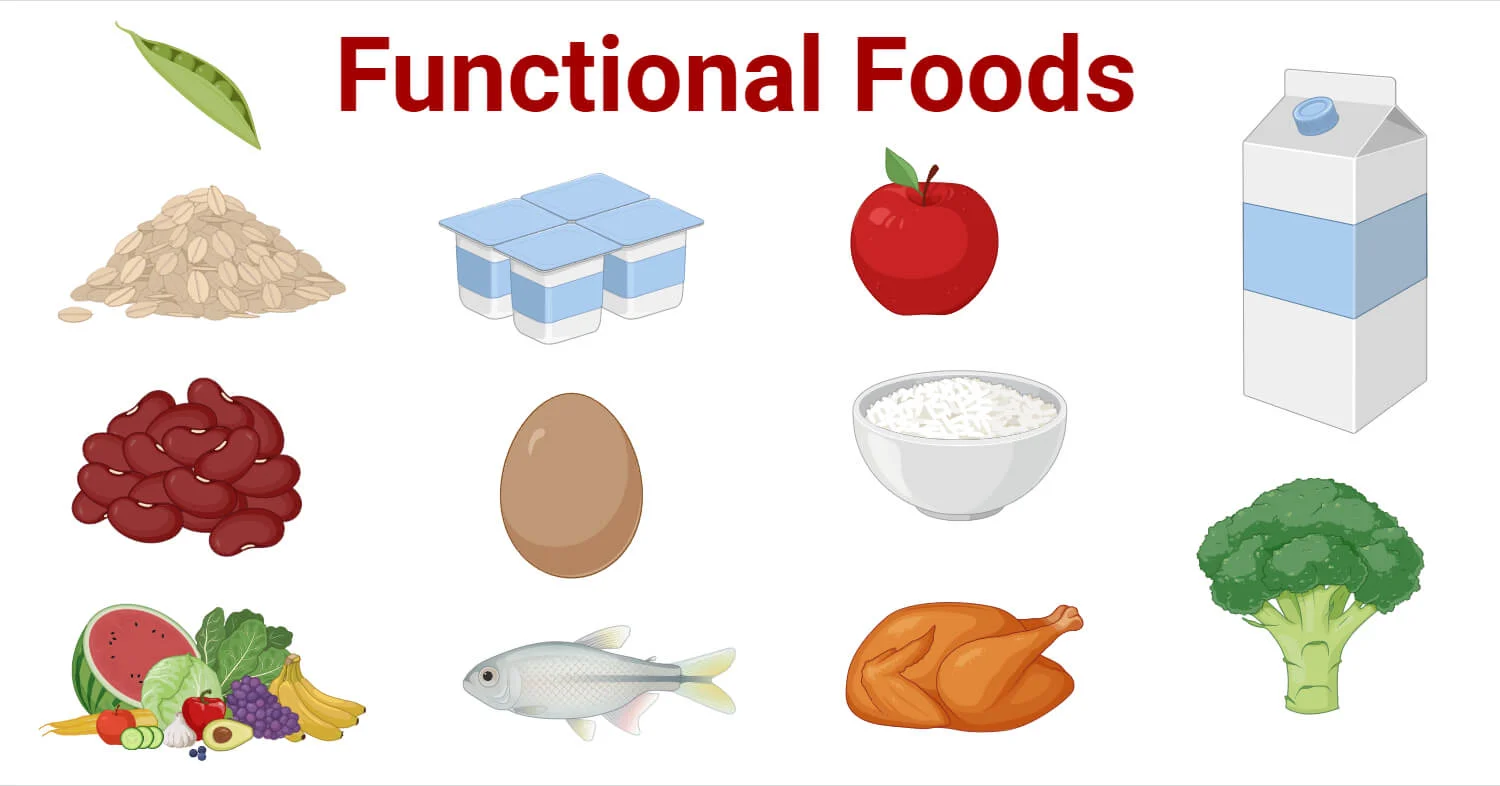
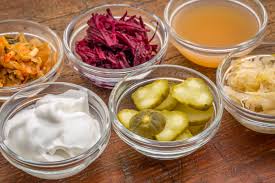
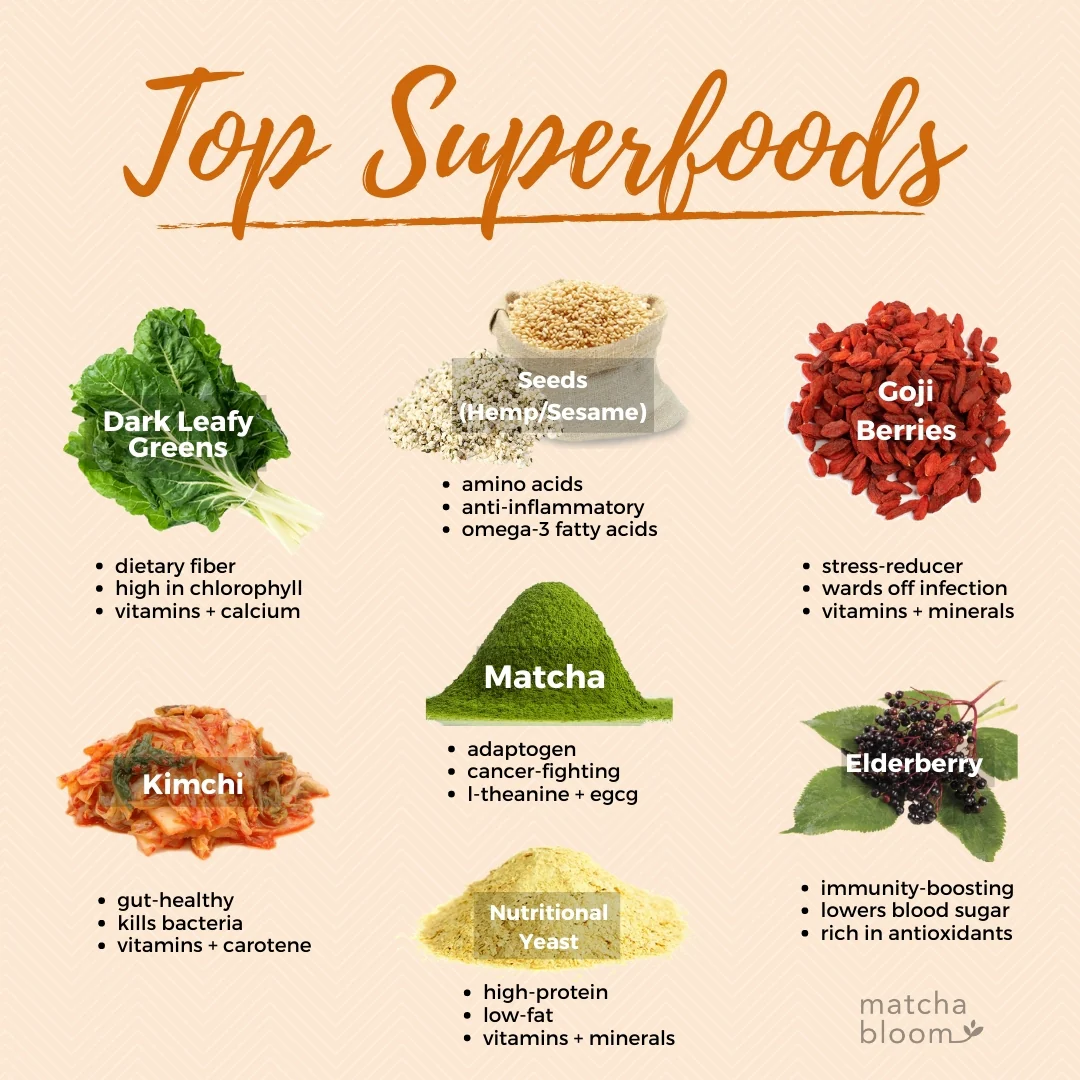
Functional foods represent a paradigm shift in nutrition science, moving beyond basic nutritional requirements to focus on foods that provide specific health benefits and disease prevention properties. These foods contain bioactive compounds that interact with biological systems to promote optimal health, reduce disease risk, and enhance physiological functions. Unlike dietary supplements, functional foods deliver these benefits within the context of whole foods, where nutrients work synergistically to maximize bioavailability and effectiveness. The concept encompasses both naturally functional foods and those enhanced through fortification, breeding, or processing techniques. Probiotics and prebiotics exemplify the functional food approach to digestive and immune health. Probiotic foods like yogurt, kefir, kimchi, and sauerkraut contain live beneficial bacteria that support gut microbiome diversity and function. These microorganisms help digest food, produce vitamins, support immune function, and may influence mood and cognitive function through the gut-brain axis. Prebiotic foods including garlic, onions, bananas, and asparagus provide fiber compounds that feed beneficial gut bacteria, promoting their growth and activity. The combination of probiotics and prebiotics creates a synbiotic effect that maximizes digestive health benefits. Omega-3 fatty acids in fatty fish, walnuts, flaxseeds, and chia seeds demonstrate how functional foods can address specific health concerns. These essential fats reduce inflammation, support cardiovascular health, promote brain function, and may help prevent depression and cognitive decline. The anti-inflammatory properties of omega-3s make them particularly valuable for managing conditions like arthritis, autoimmune disorders, and inflammatory bowel diseases. Regular consumption of omega-3 rich foods provides more comprehensive benefits than isolated supplements due to the presence of complementary nutrients. Antioxidant-rich foods combat oxidative stress and cellular damage that contribute to aging and chronic diseases. Berries, dark leafy greens, colorful vegetables, and green tea contain various antioxidant compounds including anthocyanins, carotenoids, and polyphenols that protect cells from damage. These compounds work together in complex ways, with whole foods providing better protection than individual antioxidant supplements. The variety of antioxidants in different colored fruits and vegetables explains why eating a rainbow of produce promotes optimal health. Cruciferous vegetables like broccoli, Brussels sprouts, and cauliflower contain glucosinolates that convert to isothiocyanates, compounds with potent cancer-fighting properties. These sulfur-containing compounds support liver detoxification, reduce inflammation, and may help prevent various cancers, particularly those of the digestive system. Cooking methods affect glucosinolate availability, with light steaming preserving more beneficial compounds than boiling or microwaving. Turmeric and other spices demonstrate how functional foods can be incorporated into daily meals for health benefits. Curcumin, turmeric's active compound, has powerful anti-inflammatory and antioxidant properties that may help manage arthritis, support brain health, and reduce chronic disease risk. Black pepper enhances curcumin absorption, illustrating how food combinations can maximize functional benefits. Garlic contains allicin and other sulfur compounds that support cardiovascular health, immune function, and may have antimicrobial properties. Green tea provides catechins, particularly EGCG, which offer antioxidant, anti-inflammatory, and potential cancer-protective benefits. The synergistic effects of multiple bioactive compounds in green tea create benefits that exceed those of isolated catechin supplements.