Blockchain Beyond Cryptocurrency: Real-World Applications
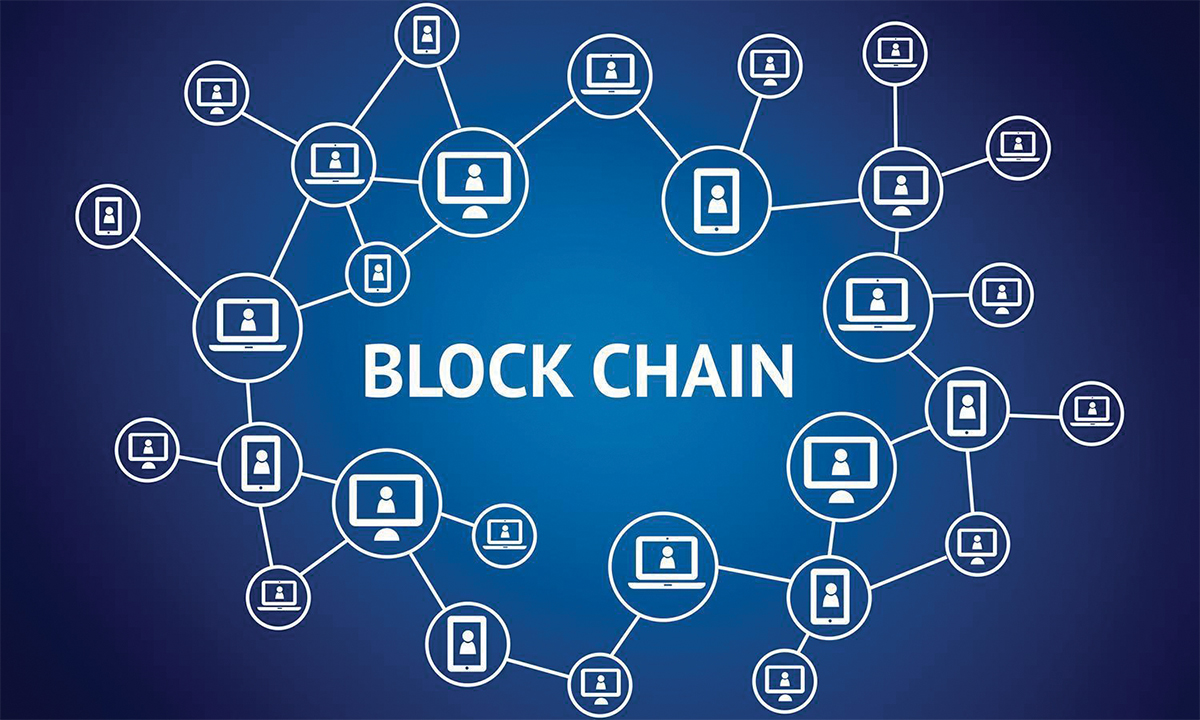
Blockchain technology has transcended its origins in cryptocurrency to become a transformative force across numerous industries, offering solutions to long-standing problems of trust, transparency, and security. While Bitcoin introduced the world to blockchain, the technology's potential extends far beyond digital currencies, revolutionizing how we store, verify, and transfer information across diverse sectors. At its core, blockchain creates an immutable, distributed ledger that eliminates the need for central authorities, making it ideal for applications requiring transparency and trust. Supply chain management has emerged as one of the most promising applications of blockchain technology. Companies can now track products from origin to consumer, providing unprecedented transparency about sourcing, manufacturing, and distribution. This capability is particularly valuable in food safety, where blockchain can quickly identify contamination sources, and in luxury goods authentication, where it prevents counterfeiting. Healthcare represents another frontier for blockchain implementation, where patient records can be securely stored and shared between authorized healthcare providers while maintaining privacy. This interoperability solves a major challenge in healthcare data management, enabling better patient care through comprehensive medical histories. Smart contracts, self-executing contracts with terms directly written into code, are revolutionizing legal and business processes by automating agreement enforcement and reducing reliance on intermediaries. Real estate transactions, insurance claims, and intellectual property licensing are being streamlined through smart contract implementation. Voting systems built on blockchain technology promise to enhance electoral integrity by creating tamper-proof records of votes while maintaining voter privacy. Several pilot programs worldwide have demonstrated blockchain voting's potential to increase voter confidence and participation. Digital identity management through blockchain gives individuals control over their personal information, reducing identity theft risks and simplifying verification processes across multiple platforms and services. Educational institutions are using blockchain to issue and verify academic credentials, creating permanent, unforgeable records of achievements that students own and control. This application eliminates credential fraud and simplifies the verification process for employers and institutions. Energy sector applications include peer-to-peer energy trading, where individuals with solar panels can sell excess energy directly to neighbors through blockchain-based platforms, creating more efficient and decentralized energy markets. Financial services beyond cryptocurrency are leveraging blockchain for cross-border payments, trade finance, and regulatory compliance, reducing costs and processing times while increasing security and transparency.