Quantum Computing: The Next Frontier in Technology
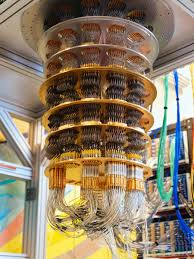
Quantum computing represents one of the most revolutionary technological advances of our time, promising to solve complex problems that are currently impossible for classical computers to handle. Unlike traditional computers that use bits representing either 0 or 1, quantum computers utilize quantum bits or qubits that can exist in multiple states simultaneously through a phenomenon called superposition. This fundamental difference allows quantum computers to process vast amounts of information exponentially faster than their classical counterparts. The implications of this technology span across numerous fields, from cryptography and drug discovery to financial modeling and artificial intelligence. Major tech companies like IBM, Google, and Microsoft are investing billions of dollars in quantum research, racing to achieve quantum supremacy. Google claimed to have reached this milestone in 2019 when their quantum processor performed a calculation in 200 seconds that would take the world's most powerful supercomputer 10,000 years. However, practical quantum computing faces significant challenges including quantum decoherence, where qubits lose their quantum properties due to environmental interference. Error correction remains a critical hurdle, as quantum states are extremely fragile and prone to errors. Current quantum computers require near absolute zero temperatures to function, making them expensive and complex to operate. Despite these challenges, progress continues at an unprecedented pace. Quantum algorithms like Shor's algorithm threaten current encryption methods, potentially revolutionizing cybersecurity. In drug discovery, quantum computers could simulate molecular interactions with unprecedented accuracy, accelerating the development of new medications. Financial institutions are exploring quantum computing for portfolio optimization and risk analysis. The technology also promises breakthroughs in machine learning, enabling AI systems to process and analyze data in ways previously unimaginable. As we stand on the brink of the quantum era, governments worldwide are investing in quantum research initiatives, recognizing its potential to reshape industries and national security. The quantum revolution is not just about faster computers; it represents a fundamental shift in how we process information and solve complex problems that define our modern world.