Digital Detox: Reclaiming Your Mental Space
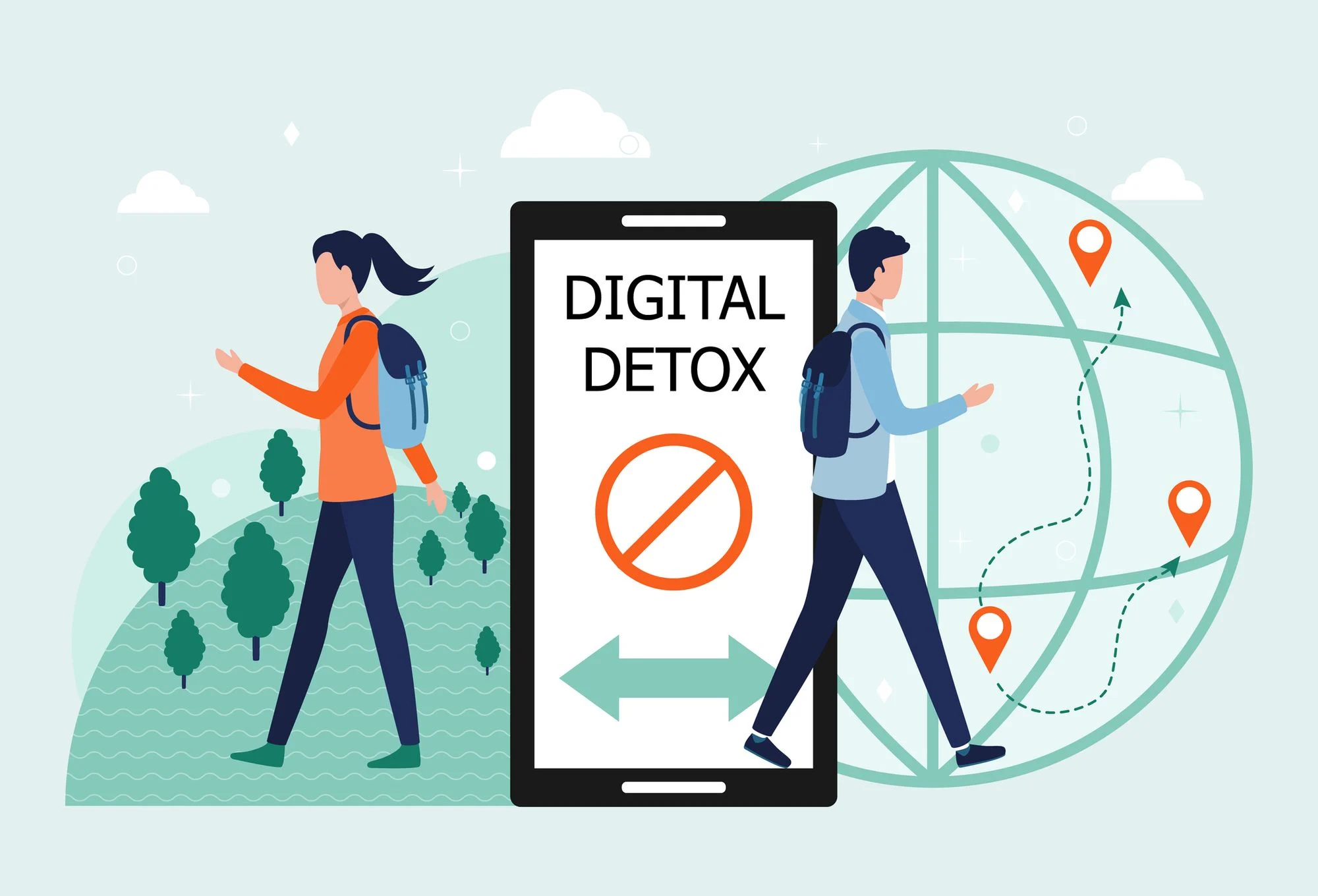
Digital detox has become increasingly essential in our hyperconnected world, where the average person checks their smartphone over 150 times daily and spends more than seven hours staring at screens. The constant stream of notifications, social media updates, and digital stimulation creates a state of continuous partial attention that fragments focus and elevates stress levels. Understanding the need for regular digital breaks is the first step toward reclaiming mental clarity and improving overall well-being. The psychological impact of excessive screen time extends beyond simple addiction, affecting sleep patterns, attention span, and emotional regulation. Blue light emission from devices disrupts circadian rhythms, making it harder to fall asleep and achieve restorative rest. Social media platforms are designed to trigger dopamine responses, creating psychological dependencies that mirror other addictive behaviors. The constant comparison facilitated by social media contributes to anxiety, depression, and decreased self-esteem, particularly among younger users. Digital detox strategies can range from brief daily breaks to extended offline periods, depending on individual needs and lifestyle constraints. Implementing phone-free zones in bedrooms and during meals creates natural boundaries between digital consumption and personal time. Many practitioners begin with small changes like turning off non-essential notifications, using airplane mode during focused work periods, or designating specific times for checking messages and social media. Weekend digital sabbaths, where technology use is minimized for 24-48 hours, provide deeper restoration opportunities. During these breaks, individuals often rediscover forgotten hobbies, engage in face-to-face conversations, and reconnect with physical activities. The mental space created by reducing digital input allows for increased creativity, improved problem-solving abilities, and better emotional processing. Many report experiencing initial anxiety when first attempting digital detox, highlighting the depth of our technological dependence. This temporary discomfort usually subsides within days, replaced by feelings of calm and increased present-moment awareness. Physical benefits include reduced eye strain, improved posture, and decreased headaches associated with prolonged screen use. Better sleep quality often emerges within the first week of implementing digital boundaries, particularly when screens are avoided for at least one hour before bedtime. Successful digital detox requires intentional replacement activities to fill the time previously spent on devices. Reading physical books, engaging in outdoor activities, practicing meditation, or pursuing creative hobbies provides fulfilling alternatives to digital entertainment. Building stronger in-person relationships often becomes a natural outcome of reduced digital distraction, as individuals become more present and engaged in face-to-face interactions. The goal isn't complete technology elimination but rather conscious, intentional use that supports rather than detracts from life goals and personal well-being.